How to Choose Transformer Oil Filtration Machine Capacity (500 LPH to 20,000 LPH)
Key takeaways
- Transformer oil filtration machine capacity is the flow rate in litres per hour (LPH) that the machine treats.
- Hours per pass = oil volume (litres) / machine capacity (LPH).
- Plan for several passes, because wet oil rarely reaches its target in one pass.
- Site factors such as outage time, power supply, transport and oil condition also shape the choice.
- TOFM builds machines from 500 LPH to 20,000 LPH, so capacity can be matched closely to the job.
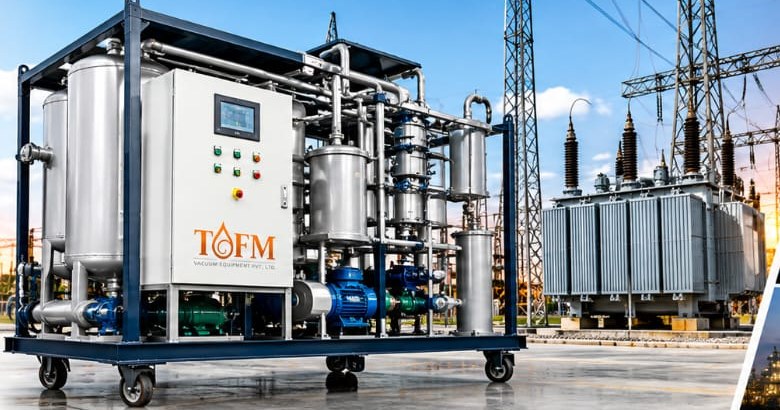
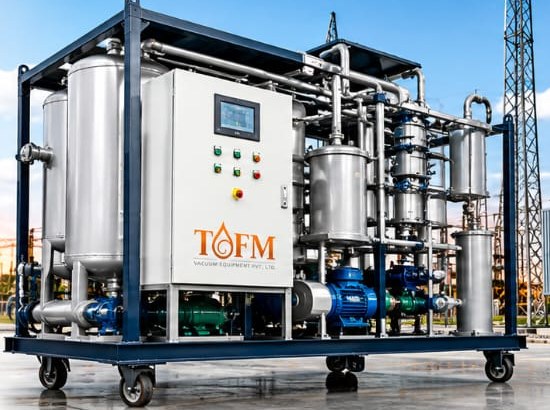
Transformer oil filtration machine capacity is the flow rate, in litres per hour (LPH), at which the machine heats, dries, degasses and filters oil. To choose it, divide the oil volume you need to treat by the time available, then allow for the number of passes the oil will need.
This guide gives you the formula, worked examples and the site factors that change the answer.
How do you calculate transformer oil filtration machine capacity?
Start with one simple formula:
Hours per pass = oil volume (litres) / machine capacity (LPH)
Then multiply by the number of passes you expect. For example, a transformer with 10,000 litres of oil and a 2,000 LPH machine needs 5 hours per pass. If you plan three passes, the job takes about 15 hours of running time, plus set-up and testing.
Alternatively, you can work backwards. If you have 12 hours of running time for 10,000 litres and expect three passes, you need at least 2,500 LPH.
What capacity do common jobs need?
The table below shows running time for three passes at different capacities. These are worked examples of the formula, not fixed rules, because the right number of passes depends on oil condition.
| Oil volume | Machine capacity | Hours per pass | 3 passes |
|---|---|---|---|
| 1,000 L | 500 LPH | 2 h | 6 h |
| 5,000 L | 1,000 LPH | 5 h | 15 h |
| 10,000 L | 2,000 LPH | 5 h | 15 h |
| 25,000 L | 5,000 LPH | 5 h | 15 h |
| 60,000 L | 6,000 LPH | 10 h | 30 h |
| 100,000 L | 20,000 LPH | 5 h | 15 h |
Which site factors change the capacity you need?
However, oil volume is only the starting point. These factors also matter:
- Outage window. A short shutdown needs a higher flow rate to finish in time.
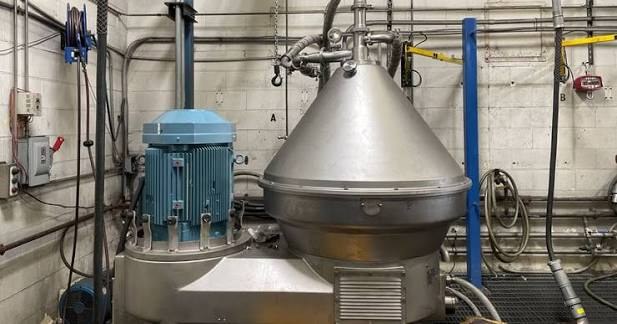
- Oil condition. Wet or dirty oil needs more passes. Oil with heavy free water benefits from an integrated oil-water centrifuge, which reduces the load on the vacuum stage.
- Number of transformers. A utility treating many units across substations needs a mobile machine that is easy to move, so a mid-range capacity is often more practical than the largest one.
- Power supply on site. Larger machines need more heater and pump power, so confirm what the site can supply.
- Transport and access. Check road access, trailer size and the space next to the transformer.
- Factory duty. Transformer factories and oil terminals process oil every day, so they often choose stationary plants at the higher end of the range.
Which capacity range suits which user?
As general guidance, capacity bands line up with typical users like this:
| Capacity band | Typical user |
|---|---|
| 500 to 1,000 LPH | Distribution transformers, small workshops and repair shops |
| 1,000 to 3,000 LPH | Substation maintenance teams, repair workshops, EPC contractors |
| 4,000 to 6,000 LPH | Large power transformers, utilities, renewable plant substations |
| 6,000 to 20,000 LPH | Transformer factories, bulk oil handling and storage terminals |
Even so, your own numbers should decide the final choice. TOFM builds transformer oil filtration machines anywhere from 500 LPH to 20,000 LPH, so we can size the machine to the job instead of rounding up to a standard model.
What are the common mistakes when choosing capacity?
The most common mistake is sizing for one pass. Wet oil almost never reaches its target in a single pass, so plan for several from the start.
A second mistake is buying the largest machine available. However, a very large machine can be hard to move, may exceed the site's power supply and costs more to run. A third mistake is ignoring oil condition. Badly contaminated oil may need a centrifuge stage, not just more flow.
For details of what happens inside the machine, read how transformer oil filtration works. For limits on oil condition, refer to IEC 60422 or IS 1866.
What information should you send for a quotation?
Therefore, send these details so a manufacturer can size the machine accurately:
- Oil volume per transformer and the number of transformers.
- Recent oil test results (water content, BDV).
- Time available for treatment.
- Mobile or stationary use.
- Site power supply (voltage, phase, frequency).
- Country of installation, for export voltage and documentation.
Summary
Size a transformer oil filtration machine from oil volume, time available and the number of passes. Hours per pass equal oil volume divided by machine capacity in LPH. Then adjust for oil condition, site power, transport and how often the machine will run. Avoid sizing for a single pass or simply buying the biggest machine. With a range from 500 LPH to 20,000 LPH, TOFM can match capacity to your exact job.
Frequently asked questions
What does LPH mean for a filtration machine?
LPH means litres per hour. It is the flow rate at which the machine treats oil, and it sets how long each pass through the oil takes.
How long does it take to filter 10,000 litres of transformer oil?
With a 2,000 LPH machine, one pass takes about 5 hours. Three passes take about 15 hours of running time, plus set-up and testing.
Is a bigger filtration machine always better?
No. A larger machine finishes faster but needs more power, is harder to transport and costs more. Choose the smallest capacity that meets your time window.
How many passes does transformer oil need?
It depends on starting moisture and contamination. Plan for several passes and test the oil between them until results meet the limits for your equipment.
What capacity range does TOFM offer?
TOFM builds transformer oil filtration machines from 500 LPH to 20,000 LPH, in mobile or stationary configurations.
What details do I need for a quotation?
Share oil volume, number of transformers, recent oil test results, time available, mobile or stationary use, site power supply and the country of installation.
This article gives general technical guidance. Always follow the transformer manufacturer's instructions and the standards that apply to your equipment.